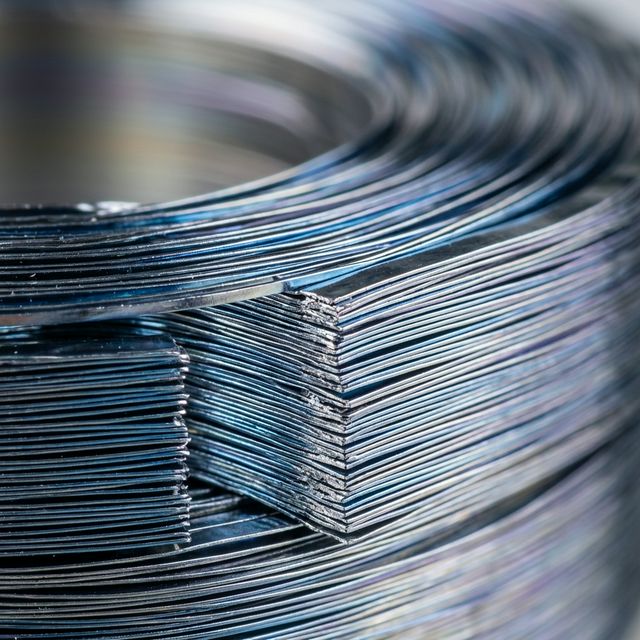
Amorphous metal core transformers represent one of the most significant advances in transformer efficiency technology. By replacing conventional grain-oriented silicon steel with rapidly quenched amorphous metal alloy, no-load losses can be reduced by 70-80%.
What is Amorphous Metal?
Amorphous metal (also called metallic glass) is an iron-based alloy that lacks the crystalline grain structure found in conventional silicon steel. It is produced by cooling molten metal at extremely high rates (~1 million °C per second), resulting in:
- Random atomic structure — no grain boundaries to create eddy currents
- Ultra-thin ribbon — approximately 25μm thick (vs 230-300μm for silicon steel)
- Extremely low hysteresis loss — the dominant component of no-load loss
Energy Savings Analysis
Consider a typical 500 kVA distribution transformer operating 8,760 hours per year:
| Parameter | Silicon Steel (S11) | Amorphous (SBH15) |
|---|---|---|
| No-load Loss | 680 W | 150 W |
| Annual No-load Energy | 5,957 kWh | 1,314 kWh |
| Annual Savings | — | 4,643 kWh |
| CO₂ Savings (@ 0.5 kg/kWh) | — | 2.3 tonnes/year |
| 25-year Energy Savings | — | 116,075 kWh |
| 25-year Cost Savings (@ $0.10/kWh) | — | $11,608 |
The price premium for amorphous core is typically $1,500-3,000 for a 500 kVA unit — paying for itself within 3-5 years.
Technical Considerations
Advantages
- 70-80% reduction in no-load losses
- Significant CO₂ footprint reduction
- Lower operating temperatures (extended insulation life)
- Reduced no-load current (less reactive power demand)
Design Challenges
- Amorphous ribbon is harder and more brittle — requires specialized winding equipment
- Core joints are more sensitive to mechanical stress
- Slightly higher noise levels due to magnetostriction characteristics
- Larger physical size for equivalent capacity (lower saturation flux density)
Global Adoption Trends
- China: World's largest market — government mandates amorphous transformers for new distribution networks in many provinces
- India: Strong growth driven by massive rural electrification program
- Japan: Pioneer market — amorphous transformers have been standard since the 1990s
- EU: Growing adoption driven by Ecodesign Directive efficiency requirements
- USA: DOE efficiency standards make amorphous an attractive compliance path
VoltBridge S(B)H Series
Our amorphous alloy transformer line covers 30 – 2,500 kVA, available in both oil-immersed and dry-type configurations. Every unit comes with:
- Certified loss test report
- 25-year lifecycle cost comparison
- Environmental impact statement
Contact us for a detailed ROI analysis for your specific application.